A good pair of shoes rarely wears out all at once. The sole thins, the heel edge rounds off, the upper still looks fine, and one morning the tread is gone exactly where you push off. In Monroe, cobblers at shops like Victory Shoe Repair see that pattern every week, and resoling is the repair built for it: replace the worn bottom, keep the upper you have already broken in.
Whether resoling works depends less on age than on construction and condition. This calendar view helps you spot the right window, before a worn sole starts damaging the parts a resole cannot replace.
A year in the life of a sole
| Timing | What to check | What it usually means | Action |
|---|---|---|---|
| Every few months | Sole thickness at the ball of the foot and heel edges | Even wear is normal; one-sided wear hints at gait or fit issues | Note the wear pattern and rotate pairs |
| When the sole feels thin or flexible in one spot | Press the sole; look for softness, cracks, or layers separating | The sole is near the end of its useful wear | Book a resole assessment before the midsole is damaged |
| Before wet winter weather | Tread depth and any holes starting at the toe or ball | Thin soles let water reach the insole and upper stitching | Resole or repair now; water damage narrows your options |
| After a resoling | Break-in feel over the first week of wear | A new sole changes stiffness slightly at first | Wear on shorter days first, then return to normal rotation |
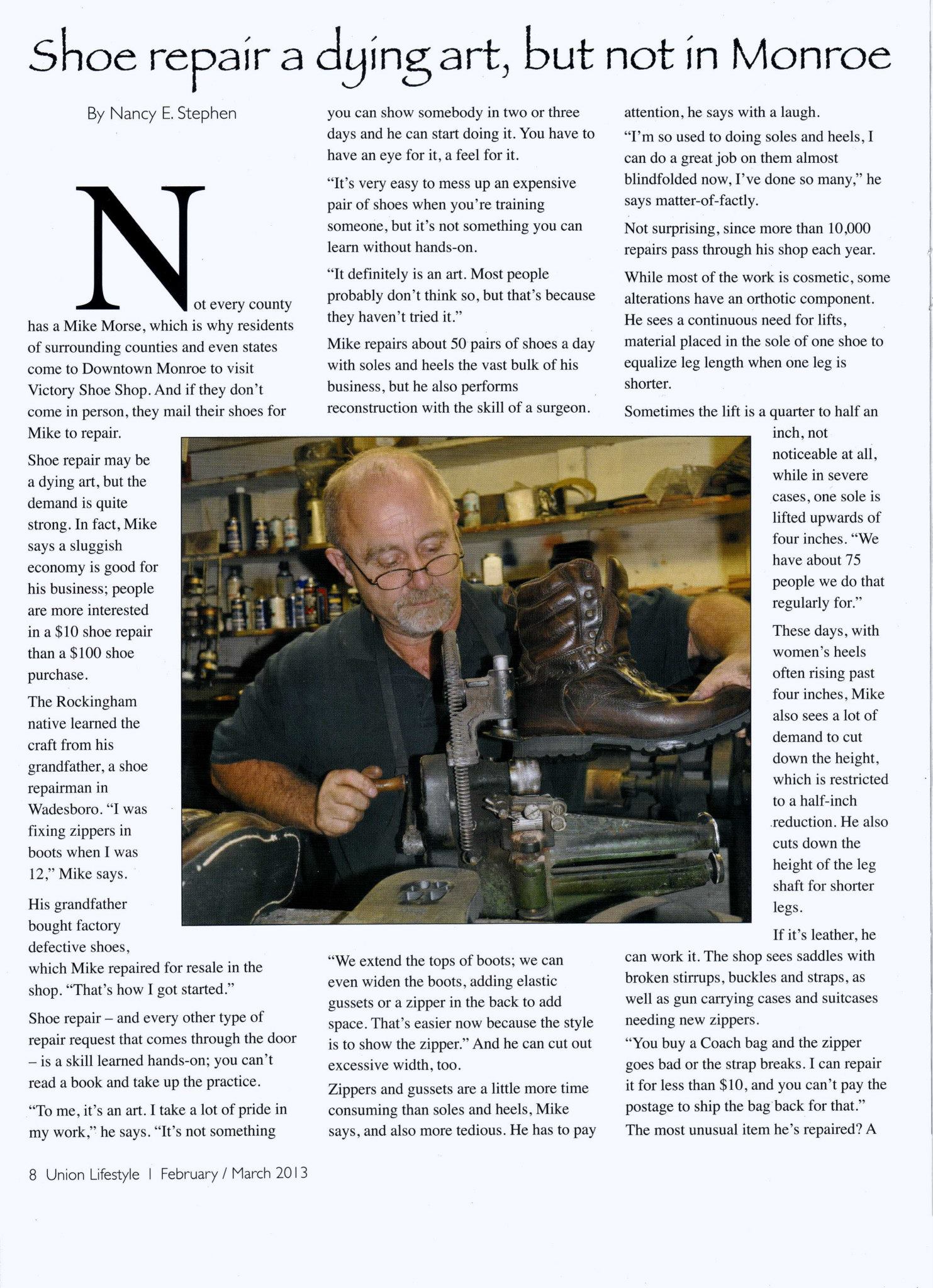
Welted versus cemented: the deciding construction
Goodyear-welted shoes are built for this repair. The sole is stitched to a welt, and that welt is stitched to the upper, so a cobbler can remove the old sole and stitch on a new one without disturbing the upper. Blake-stitched shoes can also be resoled, with stitching that runs inside the shoe. Cemented soles are glued on. Some can be rebuilt by a skilled shop, but the work is less predictable, and the cost in labor often makes less sense for an inexpensive shoe.
If you do not know how your shoes were made, look for stitching around the edge where the upper meets the sole, and ask at drop-off. Construction is the first question a cobbler answers, before price or timing ever enters the conversation in general terms.
The upper casts the deciding vote
A resole restores the bottom of the shoe. It does not restore cracked leather, torn linings, collapsed heel counters, or a worn-out insole board. That is why a cobbler turns the shoe over, flexes it, and then spends just as long looking at the top. Smooth leather with surface scuffs and healthy stitching is a good candidate. Deep cracks across the flex point, leather that feels dry and papery, or an upper pulling away from the welt all argue against investing in a new sole.
Bring both shoes in, even if only one looks bad. Pairs wear together, heels and soles are usually done as a pair, and the better shoe tells the cobbler a lot about how you walk in them.
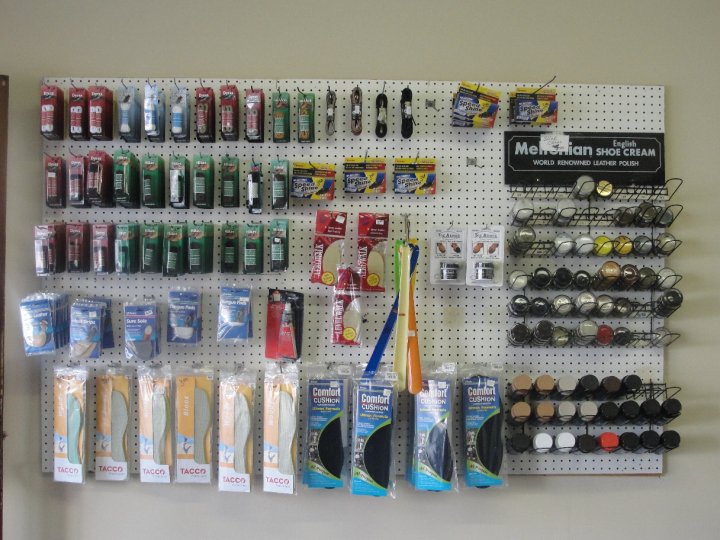
What a resole does and does not restore
A full resole typically replaces the outsole and often the heel, and the cobbler can address the midsole or cork filling if the construction allows it. The shoe comes back with renewed tread, a level heel, and a firmer feel underfoot. What it keeps is the shaped upper and the fit your foot created over months of wear, which is the part a new shoe cannot give you on day one.
Plan the timing like any seasonal maintenance. Do not wait until you can see the insole through the sole, and do not schedule it the day before a trip where you will walk all day in them. A short break-in and a buffer week make the repair feel routine instead of rushed.
Keep a simple record while you are at it. Note when each pair was resoled and how the wear looked, even as a phone photo taken on the same day each season. Comparing those photos shows whether wear is speeding up, whether one foot is working harder than the other, and whether the next resole should come sooner than the last one did.
Common questions
How do I know my shoes can be resoled?
Stitching around the sole edge is a good sign, and a healthy upper is essential. A cobbler can confirm construction and condition in a few minutes at the counter.
Should heels be replaced at the same time as soles?
Usually yes, if both are worn. Doing them together keeps the shoe level and avoids a second visit soon after for the part you skipped.
How long does a resole take?
Turnaround varies with shop workload and the work involved. Ask at drop-off, and bring the shoes in before you urgently need them back.
← All guides from Victory Shoe Repair← Back to Victory Shoe Repair