Two Monroe customers can bring in the same worn shoe and get two different answers. One hears that a resole will give it years more wear. The other hears that the money and labor are better spent on a replacement. The difference is rarely the brand name. It is construction, upper condition, and timing, especially heading into a season of rain, heat, and long days on your feet.
Use this seasonal check before you decide. Walk the list in spring or early fall, when Piedmont weather is about to change, and be honest about each item.
The worth-it checklist
Signs a resole is worth it, and signs it is not
- The upper leather is supple, with scuffs but no deep cracks across the flex point.
- The shoes are welted or stitched construction, not a thin glued sole on a lightweight upper.
- The lining, heel counter, and insole feel solid, with no collapse or tearing inside.
- The fit is hard to replace: the shoes are broken in, discontinued, or fitted with orthopedic lifts.
- The sole is worn but the midsole and welt are still intact underneath it.
- On the other side: the upper is cracked, the sole is a molded unit worn into the midsole, or the shoe never fit well in the first place.
Seasonal timing in the Piedmont
Spring rain and summer thunderstorms in Monroe find every thin spot in a sole. Water wicks through a worn sole into the insole and stitching, and a shoe that could have been resoled in March may have a damaged insole board by June. Summer heat softens adhesives on cemented shoes left in a hot car, separating soles that were already marginal. Fall is the practical season to act: check work boots before leaf season chores, check dress shoes before the holidays, and leave turnaround time instead of arriving with a deadline the same week.
Winter brings a different hazard. Wet pavement and occasional ice reward real tread. A smooth, worn leather sole that was merely slippery in dry weather becomes a fall risk on wet steps. If the tread is gone, that alone can move a shoe from the keep-wearing pile to the repair-or-replace decision.
Welted versus cemented, in plain terms
A welted shoe has a strip of leather stitched between upper and sole, and that strip is what makes repeat resoling possible. The cobbler removes the sole from the welt, not from the upper. A cemented shoe relies on adhesive. Some cemented shoes can be rebuilt, especially sturdier boots, but thin fashion soles often cannot be separated cleanly, and a new sole may not bond or sit the way the original did.
Ask the cobbler to show you which construction you have. Once you can spot stitching around a sole edge and recognize a molded cup sole, every future purchase gets easier to judge for repairability.
When replacement is the honest answer
Replacement wins when the upper is done, when the shoe is a molded athletic style never built for repair, or when the fit was always wrong and a new sole would preserve a problem. It also wins when several repairs stack up at once: sole, heels, lining, and insole work on a modest shoe can exceed the value of the result, in effort if not in sentiment.
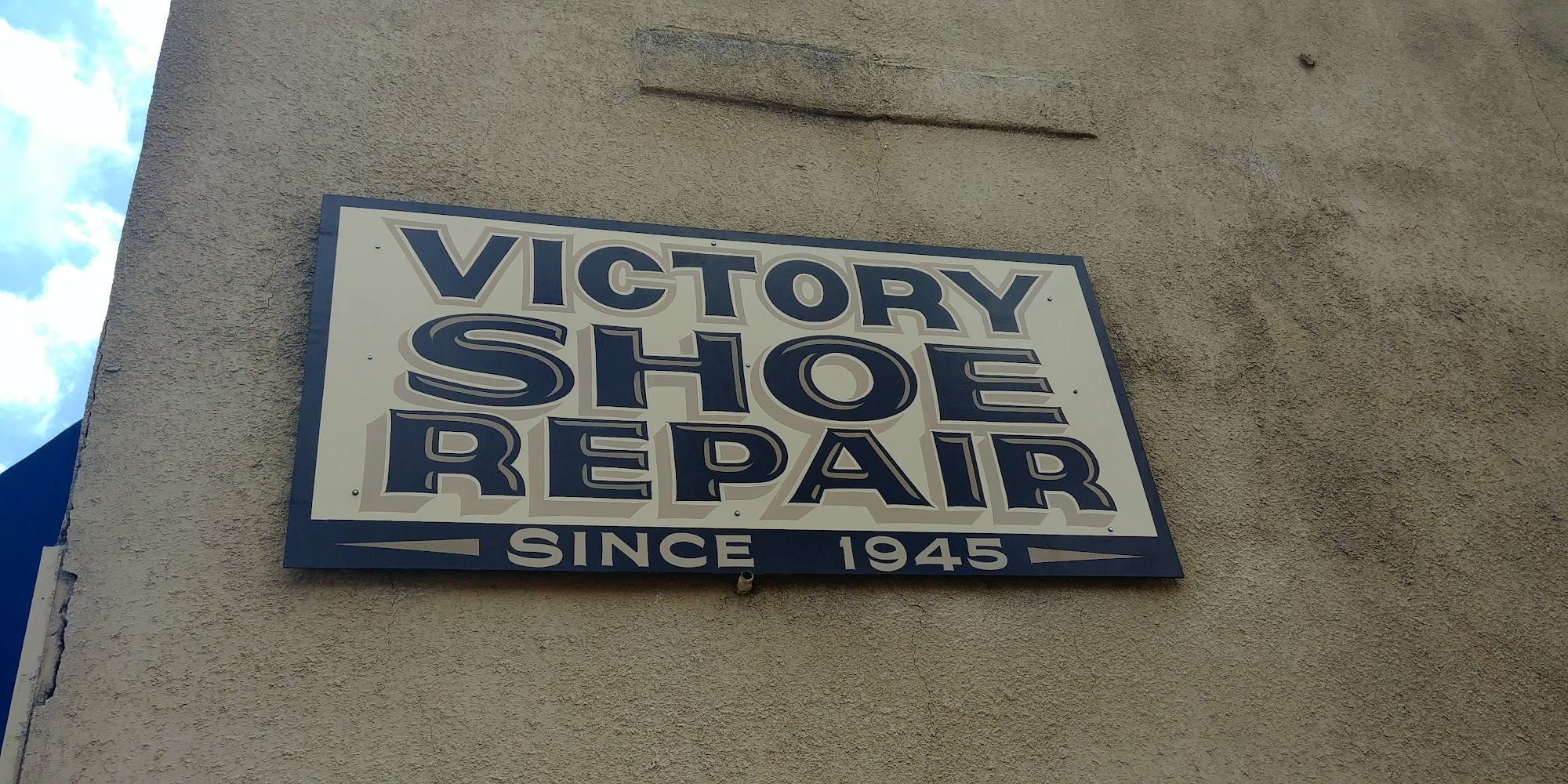
Sentiment counts, within reason. A pair with real history, a hard-to-fit size, or orthopedic work already invested can justify a repair that a pure spreadsheet would reject. Shops like Victory Shoe Repair will usually lay out both paths plainly. Listen for the reasoning about construction and condition, not just the verdict, because that reasoning helps you buy better shoes next time.
One more seasonal habit helps either way you decide. At the end of winter, clean salt and grit off uppers and soles before storing boots, and check them again before the first cold snap rather than during it. Shoes stored dirty deteriorate in the closet, and a pair you meant to resole in fall can greet you in November with cracked leather that a spring cleaning and conditioning would have prevented.
Common questions
Can cemented shoes ever be resoled?
Sometimes, especially sturdier boots, but the result is less certain than with welted construction. A cobbler needs to see whether the sole separates cleanly and whether a new sole will bond well.
Is it worth resoling shoes I bought on sale?
Price alone does not decide it. Construction and upper condition do, so an inexpensive welted shoe in good shape can be a better candidate than a costly glued one.
What if only the heel is worn, not the sole?
Then a heel repair alone may be the right call. Replacing heel caps early also protects the heel base and keeps your gait level.
← All guides from Victory Shoe Repair← Back to Victory Shoe Repair